
Tradition and innovation merge in the hands of Juan Leandro Romero, a wine artisan
Bodegas Romero is part of the Ribera del Guadiana Wine and Cava Route, a wine tourism itinerary within the Ribera del Guadiana Designation of Origin.
The clay soils surrounding the hamlet of El Raposo, in the province of Badajoz, have witnessed the history of the Romero family, a generation of winemakers whose legacy lives on in the figure of its current winemaker, Juan Leandro Romero, creator of the first commercially available sulfite-free wine in Extremadura and a leading figure in the production of natural wines that delight Canadians and Americans.
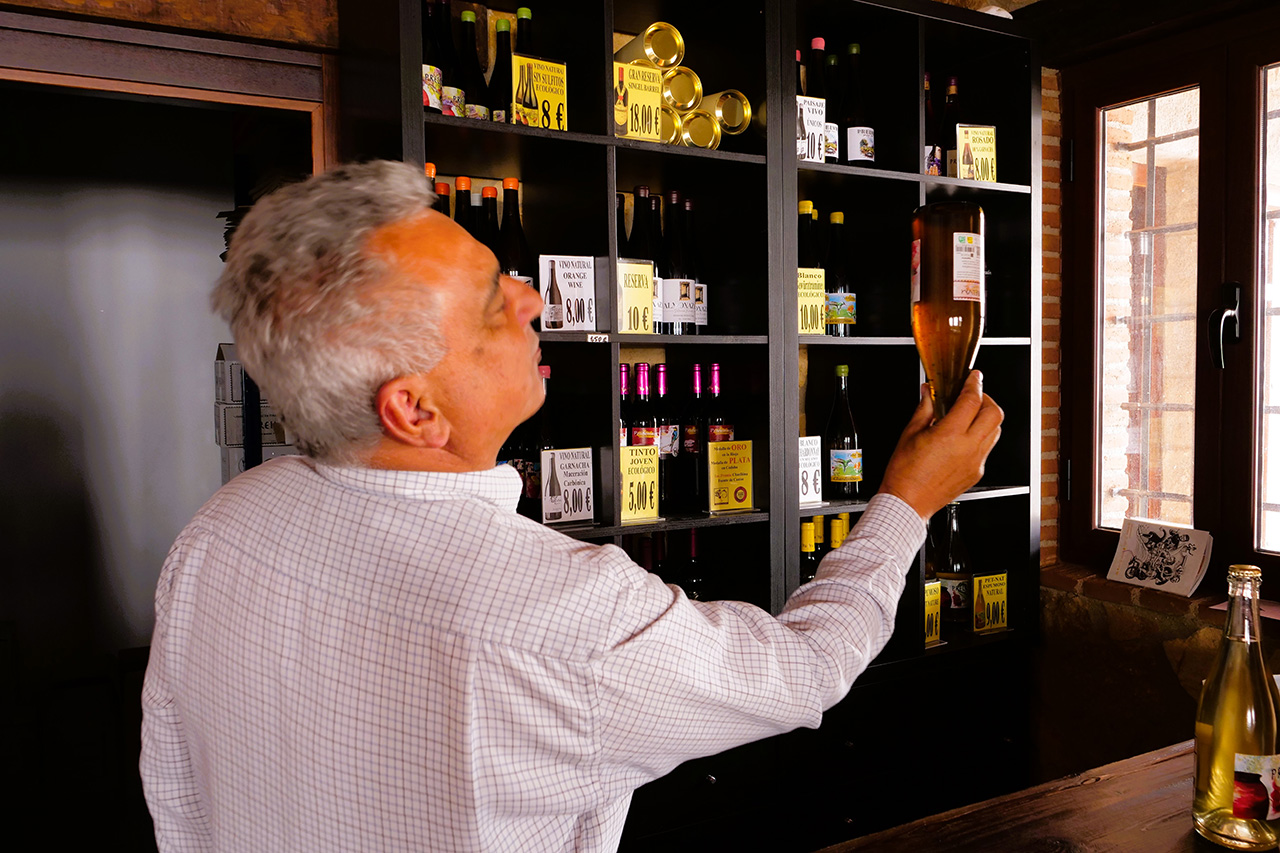
Bodegas Romero, a member of the Ribera del Guadiana Wine and Cava Route, was founded in 1954. “The founder was my grandfather; he made wine for his bar. Plays were performed there, and films were shown,” explains Romero. Vestiges of that era are preserved in the current winery, where their sparkling wines age today. This space once served as a dressing room for actors and actresses, and the concrete cones that still hold the wines of today remain.
Tradition and modernity merge in this family winery, which produces approximately 100,000 liters of wine annually from grapes grown on its thirteen hectares of vineyards. Innovation and tradition are at the heart of this winery, as Juan Leandro Romero researches and develops unique products sought after in countries like Taiwan and Japan, while also catering to the needs of the children of his grandfather’s customers.
In 2002, Juan Leandro Romero ventured into producing organic wines, and in 2007 he created the first quality sparkling wine produced outside the Cava Designation of Origin (DO). His eagerness to learn led him to become the first creator of commercial wine without added sulfites and, as he says, one “unexpected day” he decided to focus on making natural wines, as his grandfather did in the fifties and sixties.
ORANGE WINE
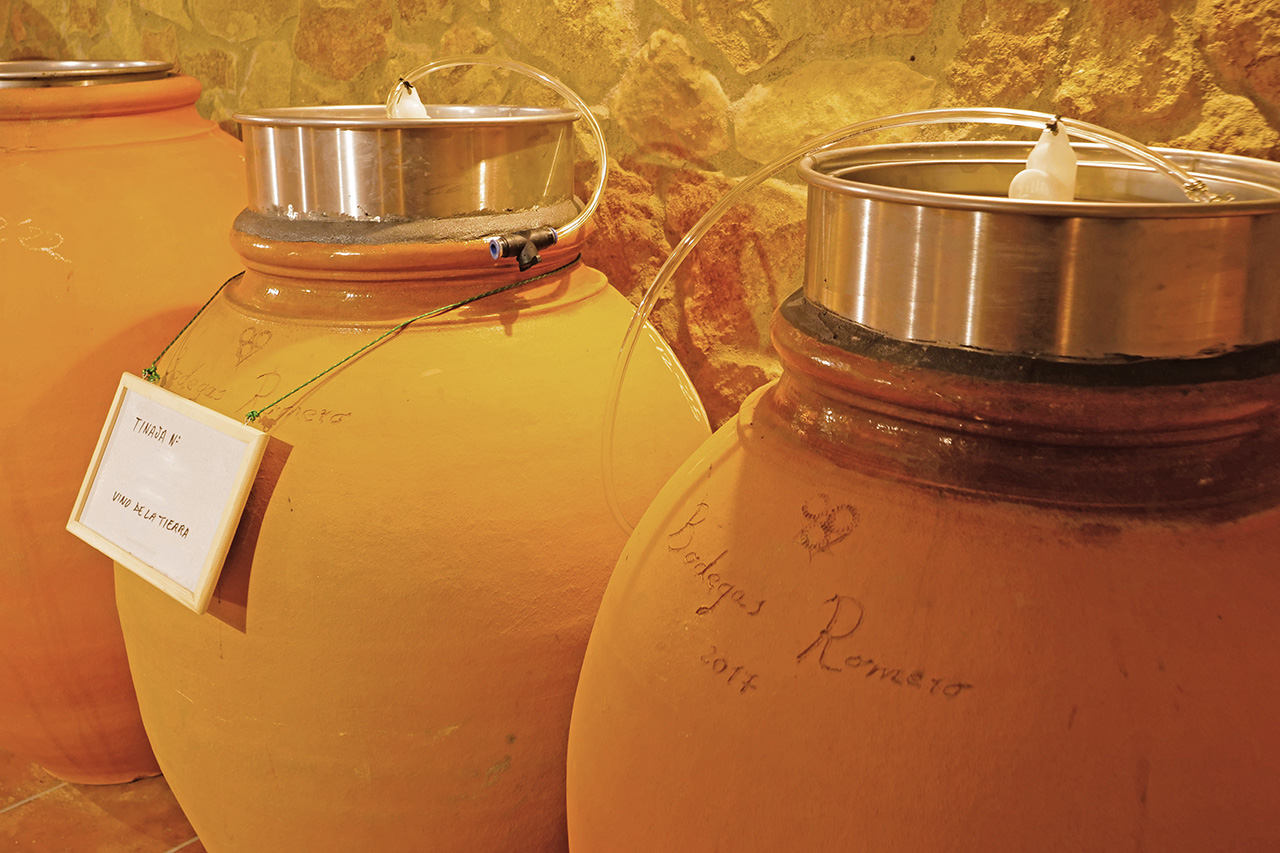
That day marked the beginning of the story of their “Prelvm,” an orange wine made from white wine fermented with its skins in clay amphorae no larger than 1,000 liters, allowing for greater micro-oxygenation and natural clarification without the need for additives.
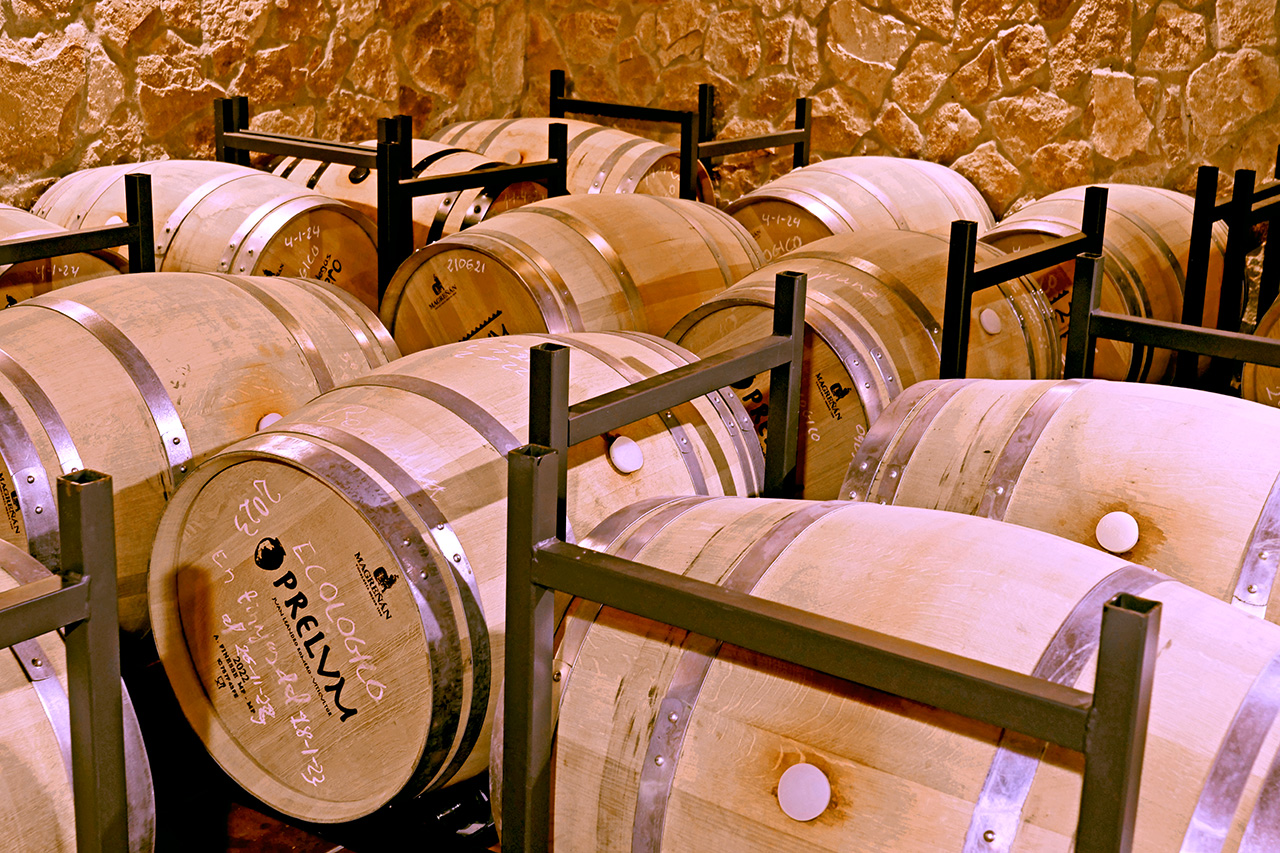
“We make natural wines; they remain in the amphorae for six to eight months and go directly to the bottling line unfiltered,” explains Romero, an artisan winemaker who offers more than 28 different wines—small batches, he notes, all unique and distinct.
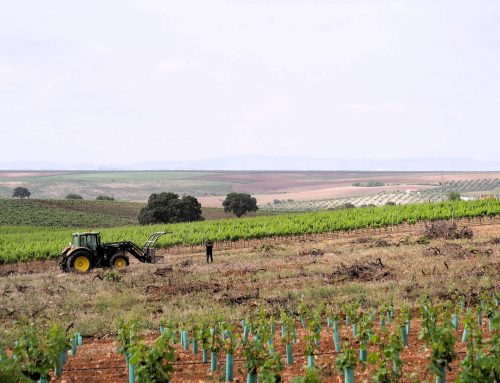
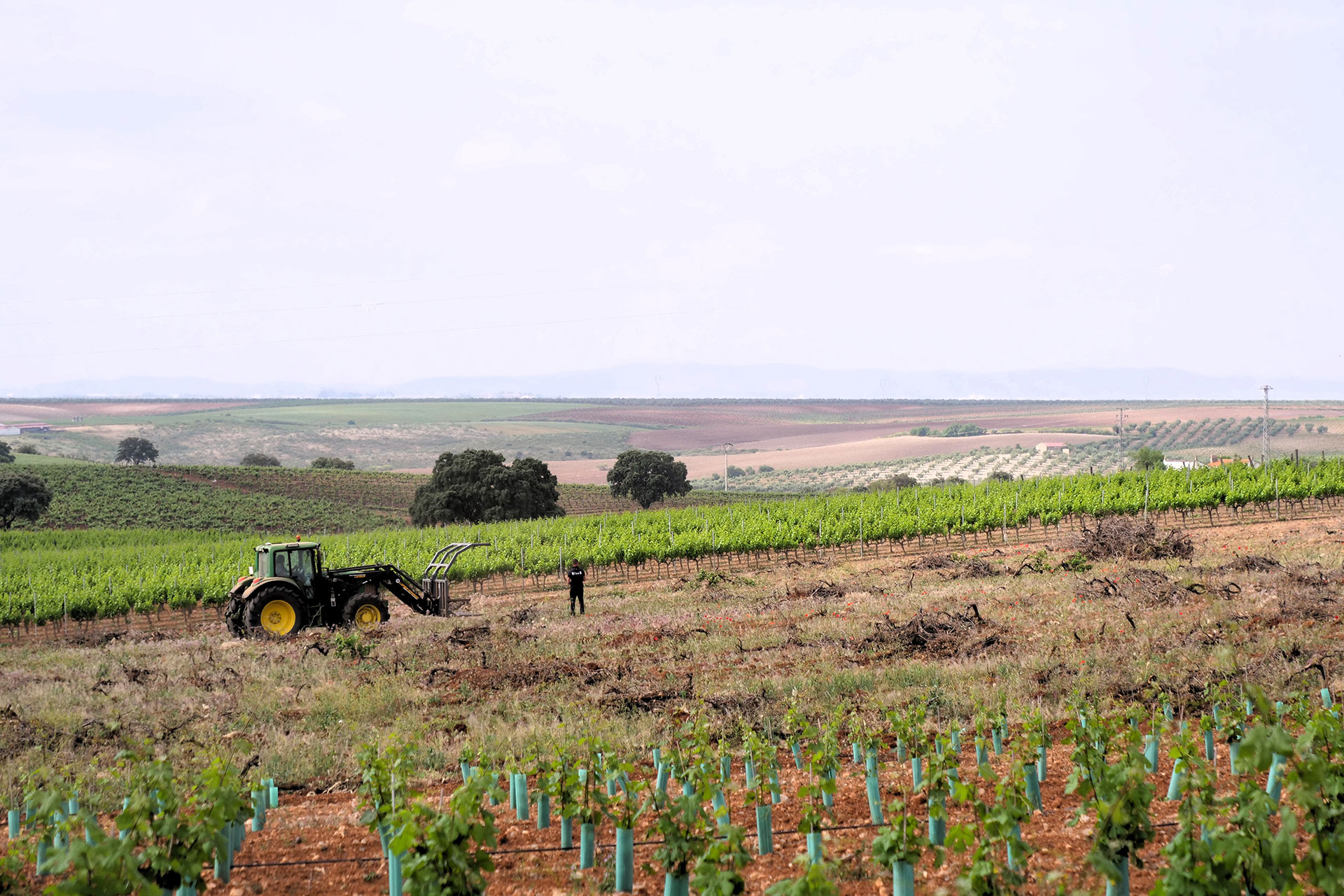
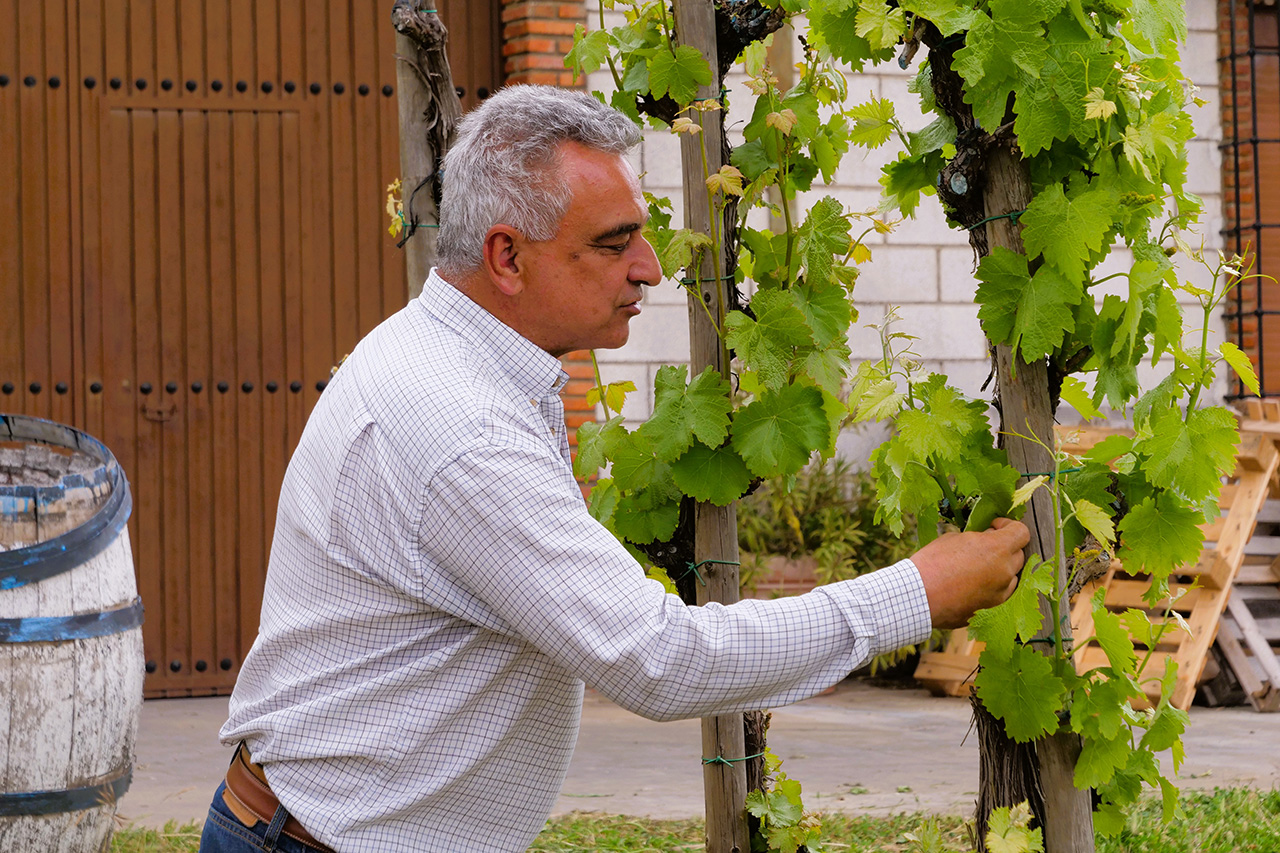
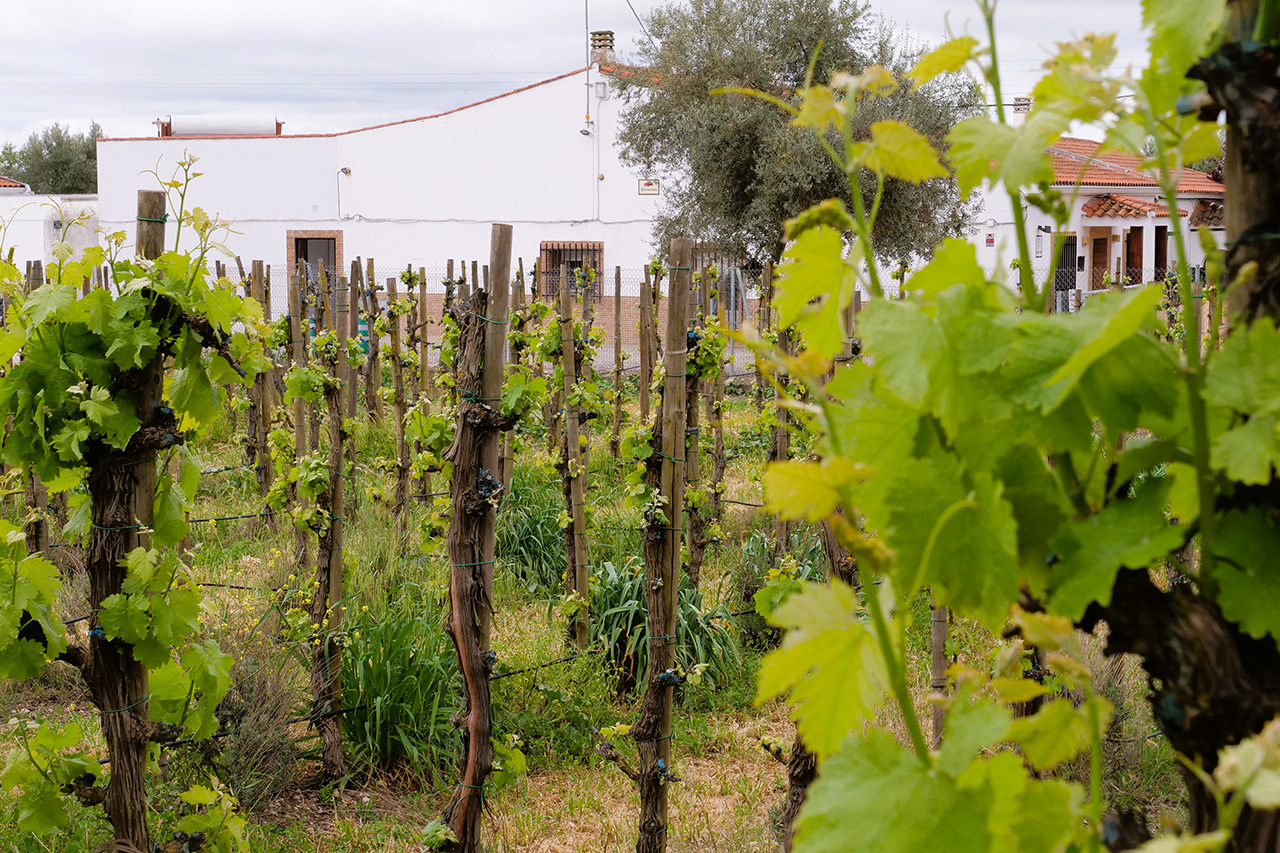
Everything makes a difference at Bodegas Romero, from the multiple grape varieties they harvest from their vines (Macabeo, Eva Beba, Alarije, Antão Vaz, Arinto, Tempranillo, Garnacha, Garnacha Tintorera, Marselan, Chardonnay…), to their night harvesting and the organic cultivation of the vineyards, where the vegetation cover indicates that the use of insecticides, pesticides and chemicals for the treatment of pests and diseases is prohibited.
LIVING VINEYARDS AND RESEARCH
Creativity is the hallmark of this Extremaduran winery, which is the only member of the biodiversity project led by SEO BirdLife, “Secanos Vivos” (Living Drylands), an initiative based on a new model of sustainable and profitable agriculture.
As part of this project, for example, bat boxes have been installed in the vineyards of Bodegas Romero. Bats act as a natural insecticide, explains Juan Leandro Romero, since these animals “love the grape berry moth,” a pest that affects the vines.
The innovative ideas don’t stop there for this wine artisan, who is also involved in a project to recover the native “Tortojona” grape variety. “It’s native to the Cáceres area. We’ve reproduced it here, and right now we have the only 100% plantation of this variety,” Romero says.
In Juan Leandro Romero’s winery, the passage of time is palpable, a history that can be savored in its tasting room. In this place, nestled among clay amphorae, a painting serves as a reminder that “the taste of the past remains in memory.” It is here that tradition and innovation come together through the work of this Extremaduran winemaker who crafts contemporary wines with the lingering flavor of those his grandfather served many years ago.