
Tour Operators from Portugal and Spain to Discover the Ribera del Guadiana Wine and Cava Route
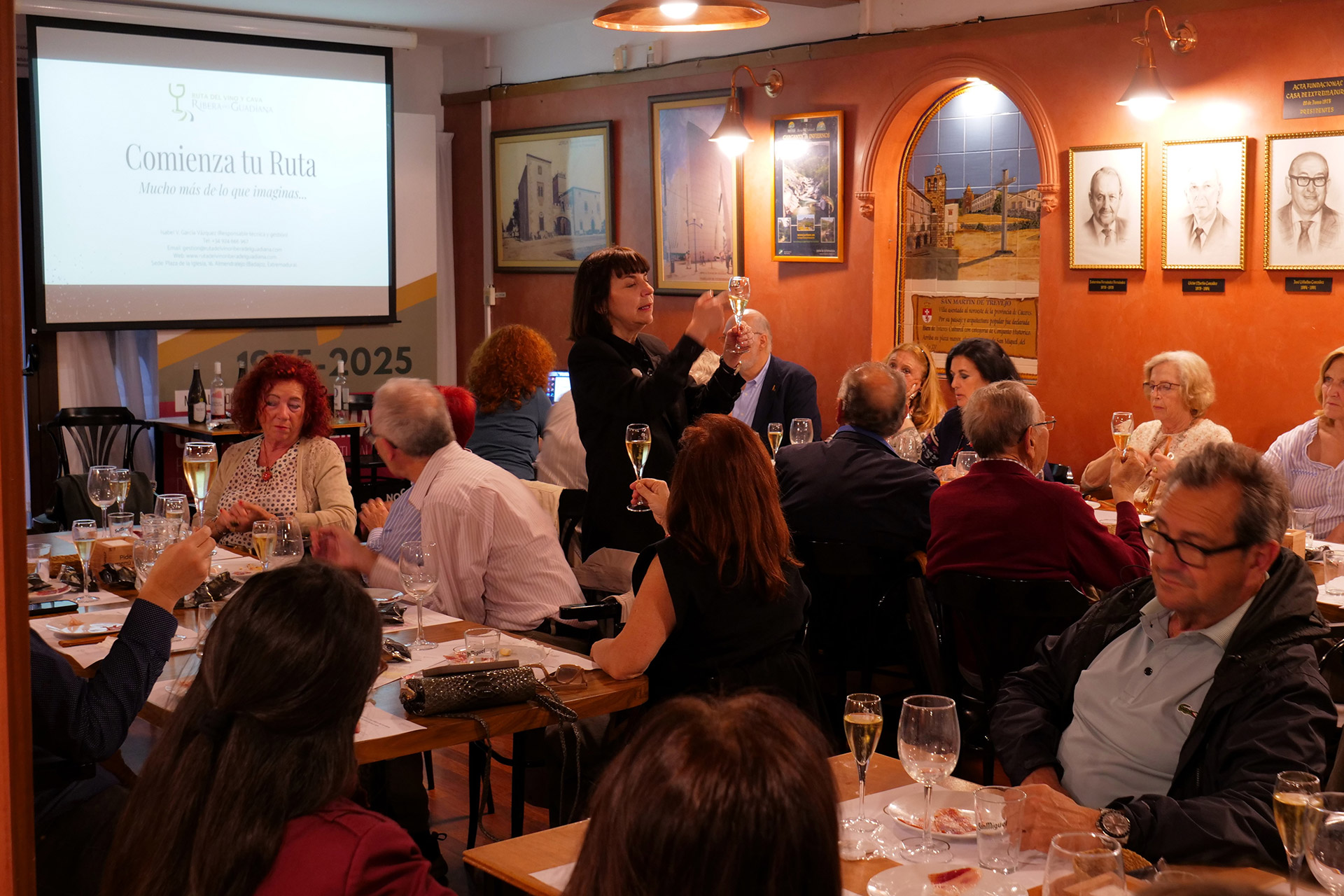
Over the course of three days, they will travel along this wine tourism itinerary located within the territory of the Ribera del Guadiana and Cava Designations of Origin.
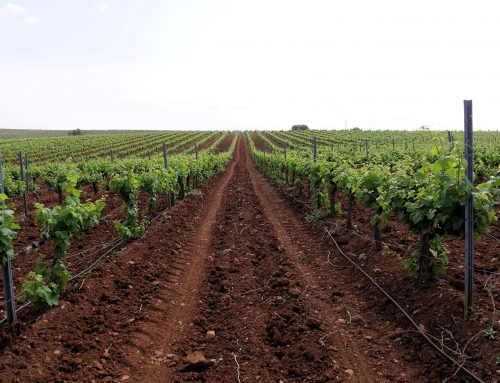
A group of tour operators from Portugal and Spain will discover on May 12, 13, and 14 the experiences offered by the Ribera del Guadiana Wine and Cava Route, a wine tourism itinerary located within the territory of the Ribera del Guadiana Designation of Origin (DO) and the DO Cava.
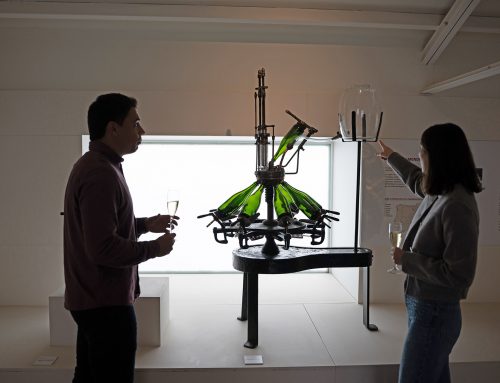
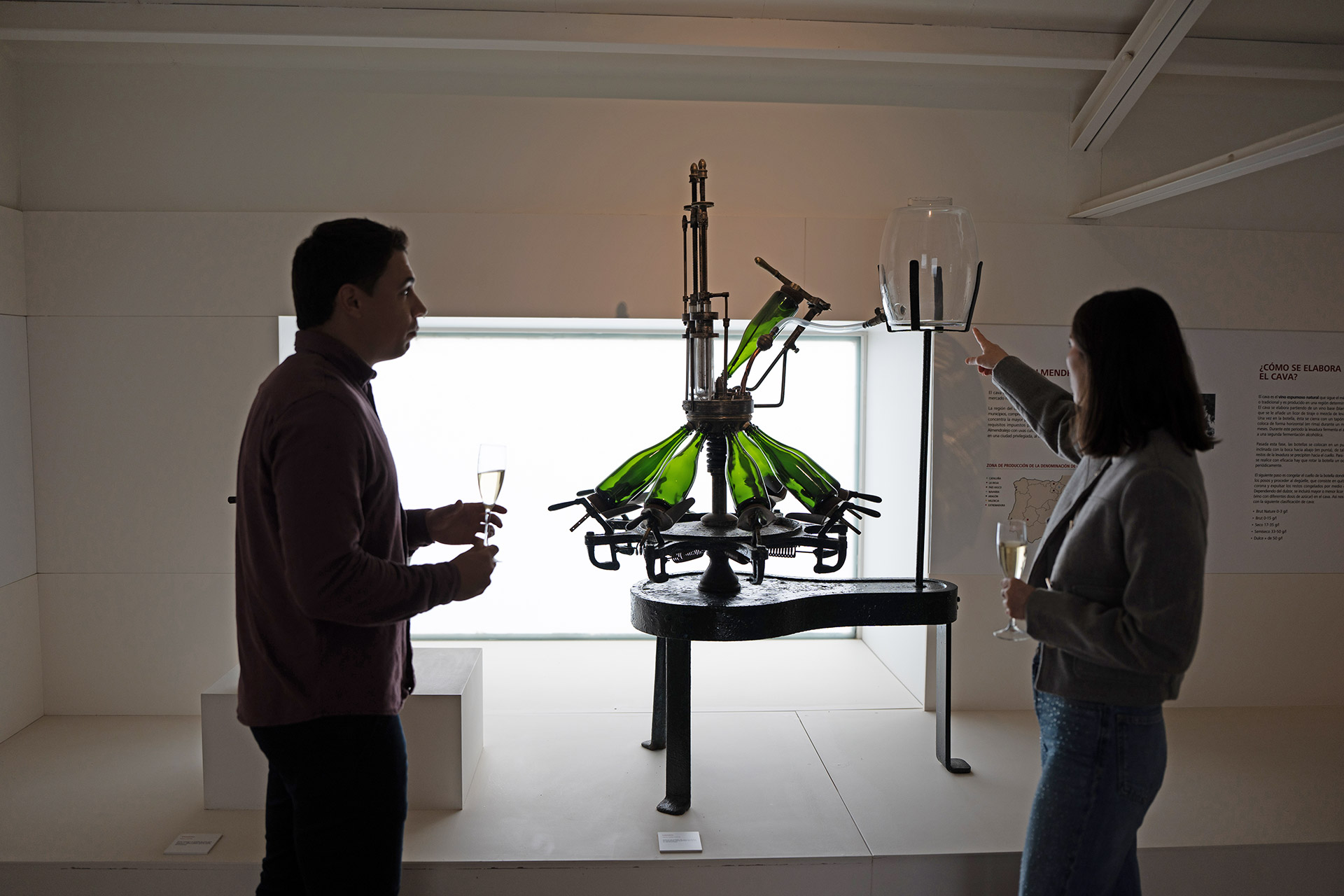
The first stop will be the Almendralejo Cava Museum, where they will discover the secrets of cava with Marcelino Díaz, one of the driving forces behind this sparkling wine from Extremadura and also the director of the Museum, the only one in Spain dedicated exclusively to this beverage. In addition, they will immerse themselves in the culture and history of the capital of Extremadura, where they will also enjoy the region’s gastronomy.
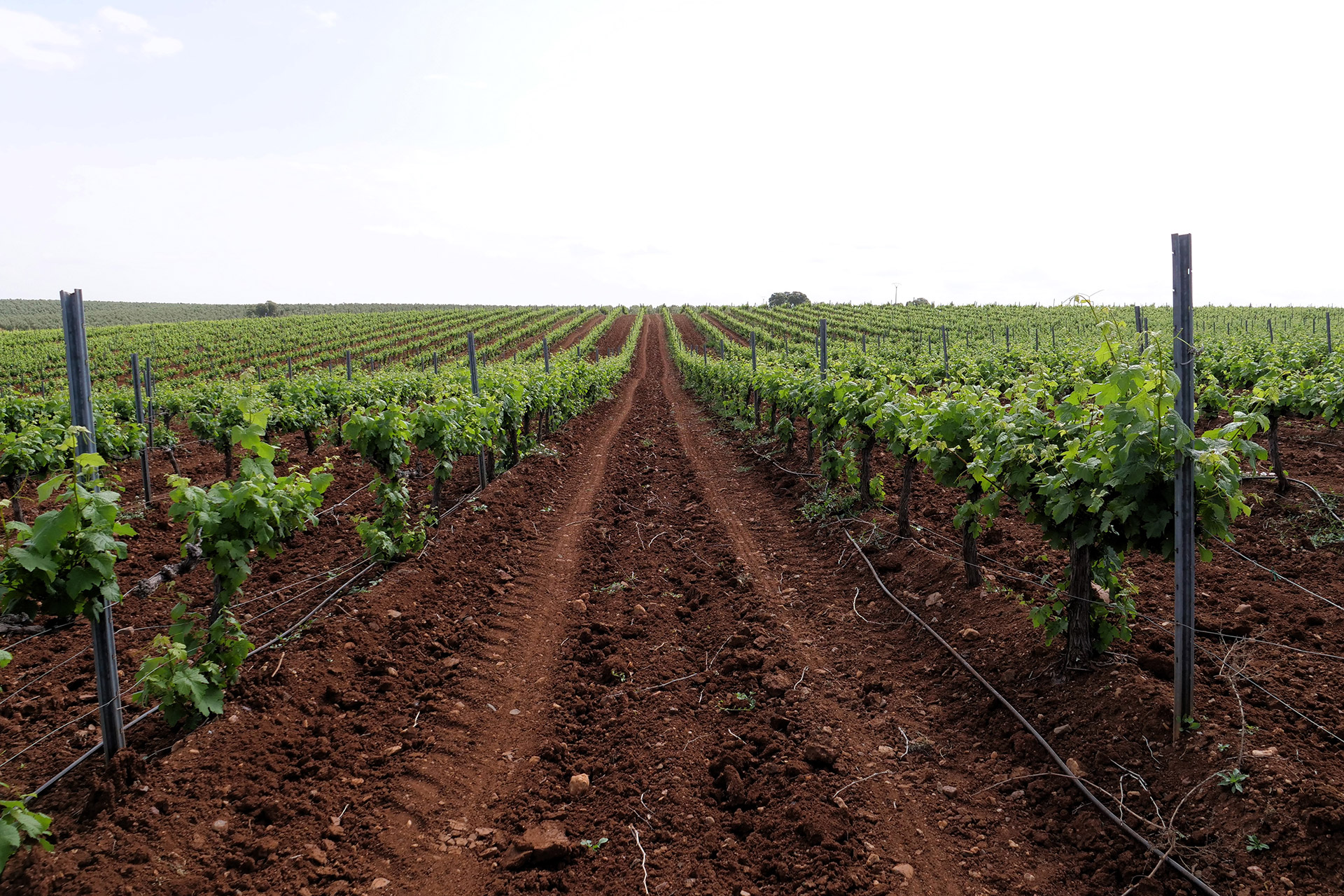
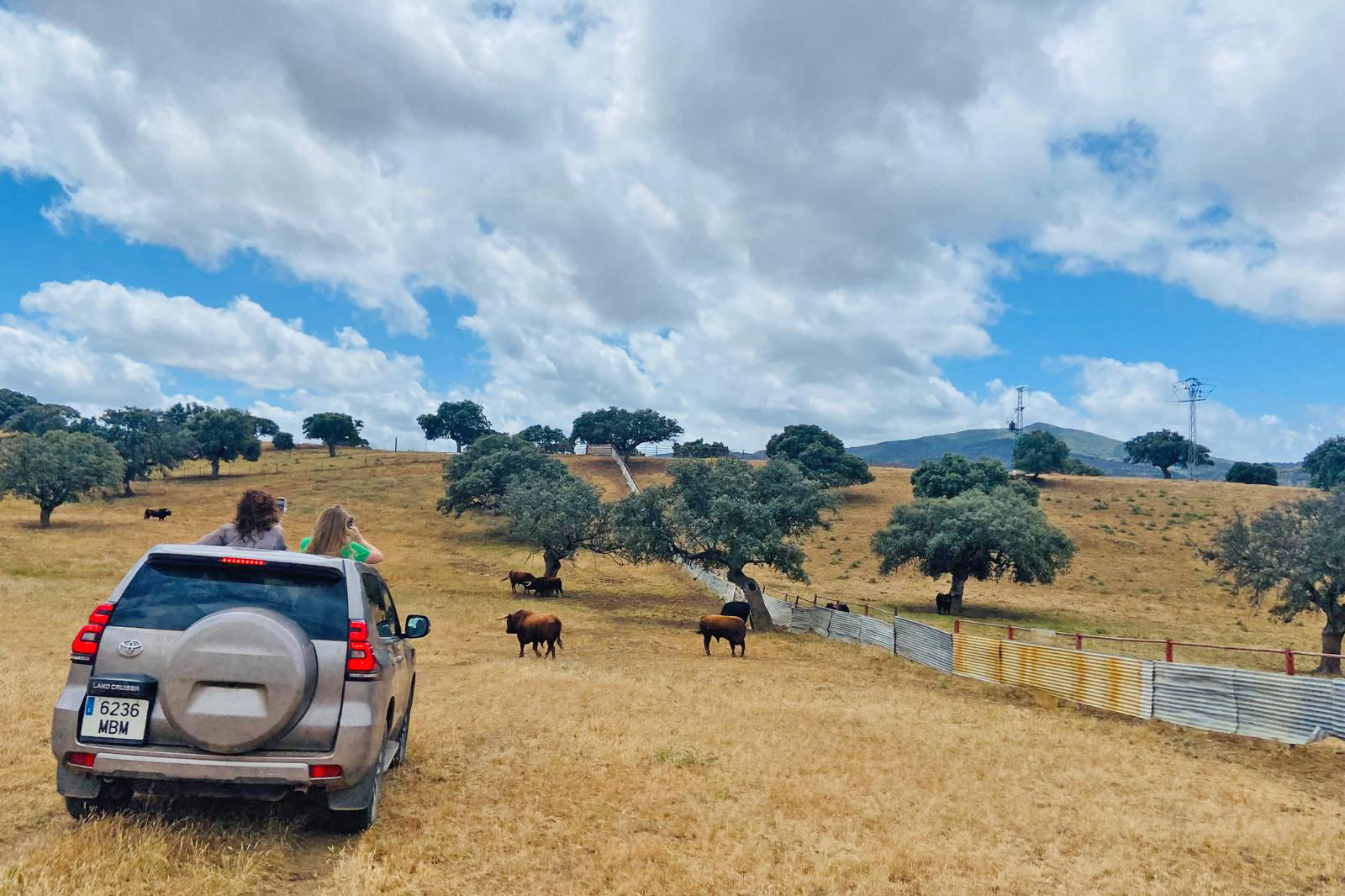
The second day will begin with a visit to “Viñas de Alange,” a winery born from family tradition and a deep love for the land of Extremadura under the “Palacio Quemado” label. Afterwards, they will travel to the town of Feria, in the province of Badajoz, to visit Ganadería Guadajira, cradle of fighting bulls at the Dehesa Nueva estate. There, in the heart of the Extremaduran dehesa, a unique ecosystem in the world, they will attend a masterclass in ham carving led by Arizar Selecto, a company linked to the Route and specialized in Iberian products.
The experiences will continue in Santa Marta, where they will have the opportunity to visit its Geological and Mining Museum, a space housing one of the largest mineral collections in the southwest of the Iberian Peninsula, as well as a spectacular
collection of fluorescent minerals. In this town in the Tierra de Barros region, they will immerse themselves in its mining past at the “Poblado Minero Los Llanos” and descend into the heart of the earth through the Garandina Mine, the world’s first museumized vanadium mine.
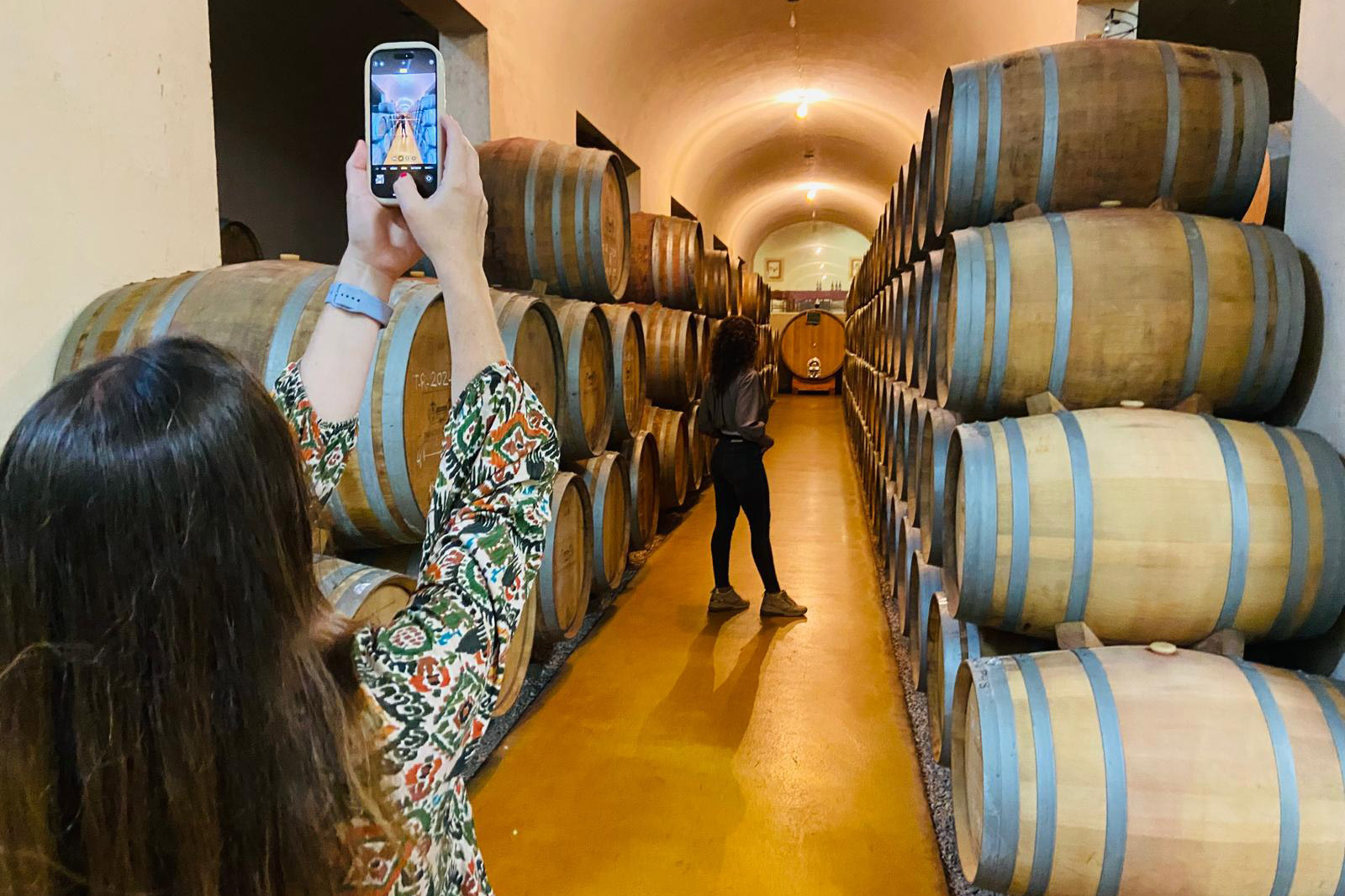
Also in Santa Marta, they will taste the wines of the Santa Marta Virgen Cooperative while touring the Turra Museum, a soulful space full of details that capture the history of this cooperative.
HISTORY, ART, GASTRONOMY AND NATURE
The secrets of the Tierra de Barros region will later lead them to visit the Bullring of Almendralejo, the only bullring in the world with a winery beneath its stands. In this emblematic place, they will discover the art of wine disgorging with a feather and sabrage, a spectacular and surprising way of opening cava dating back to Napoleonic times, demonstrated by Extremadura’s Sommelier Champion, Carlos Vivas.
The third day of the Route will transport the tour operators back to the Copper Age during their visit to the Huerta Montero Prehistoric Tomb. More than 4,600 years old, it was used as a collective burial site during the 3rd millennium BC.
In addition, in Villafranca de los Barros they will take part in a tasting and visit at Bodega Pago de las Encomiendas, a winery with a very special philosophy that explores the connection between wine, the vine, the soil, and the climate as a “single entity” linked to the energy of the universe. For this reason, they cultivate their vineyards according to the rhythm of nature, looking to the sky rather than the clock.
A BOOMING WINE TOURISM SECTOR
A complete journey to enjoy the finest flavors of Extremadura through its gastronomy and its DO Ribera del Guadiana wines and DO Cava sparkling wines, to take in its scenic diversity and natural richness, and to immerse oneself in the region’s ancient culture by following the Ribera del Guadiana Wine and Cava Route.
According to data from the Spanish Wine Routes Observatory, this wine tourism itinerary welcomed more than 24,000 visitors in 2024. It is worth noting that wine tourism and gastronomy were the main reasons for travel for 230 million tourists worldwide last year. It is no coincidence that the United Nations World Tourism Organization (UNWTO) itself has highlighted the role of wine tourism in sustainable development, rural economic diversification, job creation, and the preservation of cultural heritage.